
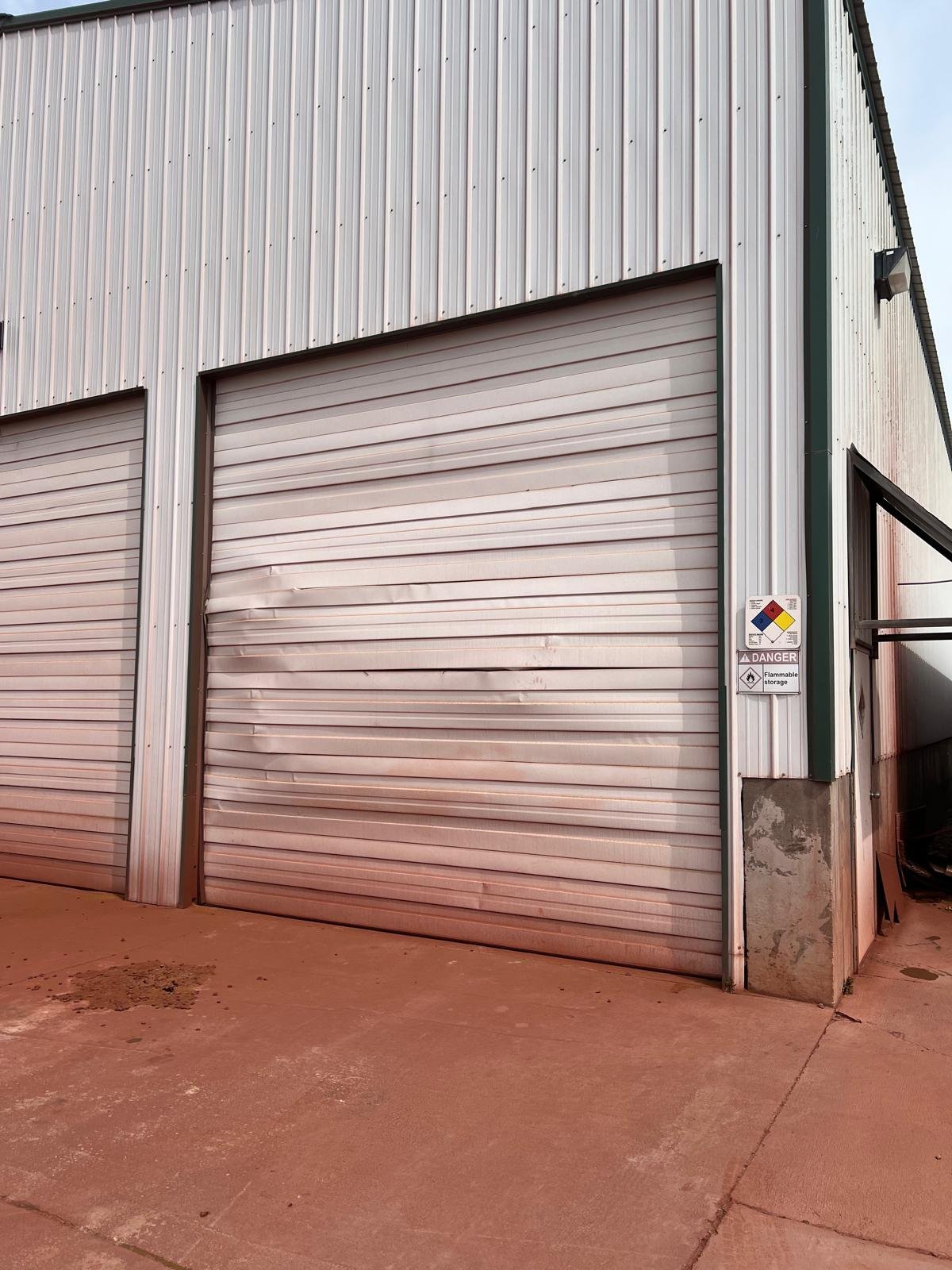
Colorado weather can expose weaknesses that were easy to ignore during mild months. Cold temperatures, wind and moisture affect comfort around the garage, while an already worn roller, seal or opener may become less reliable.
Homeowners can perform visual checks and simple cleaning, but springs and cables are not maintenance items to adjust yourself. Use this guide to organize safe preparation and identify work that belongs with a trained technician.
Inspect the bottom seal and perimeter weatherstrip
Close the door during daylight and look for light at the bottom and sides. Cracked, flattened or missing seals can allow wind, water and debris into the garage. The correct replacement must fit the door retainer and close without making the door bind.
Also check where the vertical weatherstrip contacts the exterior face. It should make consistent contact without folding sharply or catching the sections.
Listen to rollers, hinges and bearings
Operate the door from a safe position and listen for new squeaks, grinding or popping. A sudden sound change can indicate a worn roller, loose hinge or bearing problem rather than a need to simply add lubricant.
Use only manufacturer-approved products on specified pivot points. Do not lubricate tracks as a way to hide binding, and never loosen bottom fixtures, cables or spring hardware.
Check balance and spring warning signs
A door that becomes heavy, uneven or difficult for the opener to lift may have a counterbalance problem. Look for a visible spring gap or slack cable without approaching or touching the assembly.
If the door is not stable, stop using it. Spring and cable systems store significant energy and require proper tools, measurements and procedures.
Test controls and safety reversal
Clean the photo-eye lenses with a soft dry cloth and keep their path clear. Confirm that wall controls, remotes and keypads respond consistently. Follow the opener manufacturer instructions for safety-reversal testing because procedures can differ.
An opener that closes only while a button is held, reverses unpredictably or ignores a safety test needs service. Increasing force is not an appropriate first response.
Plan practical winter upgrades
An insulated replacement door may help when the garage is attached or used as a workspace, while a new perimeter seal can address focused air gaps. Battery backup may be useful where garage access during an outage is important.
Choose upgrades based on the current door, the opening and household needs. A complete replacement is not automatically necessary when weatherstripping or individual hardware can restore appropriate performance.
- Replace damaged weather seals that fit the existing retainer.
- Consider insulation when the garage location and use justify it.
- Evaluate battery backup with a compatible opener.
- Address balance or hardware problems before adding new controls.
Create a simple maintenance record
Write down the inspection date, unusual sounds and any work completed. A short record makes gradual changes easier to recognize and gives a technician useful context.
Pine Garage Door of Westminster can inspect the complete system and separate seasonal maintenance from safety-related repairs.